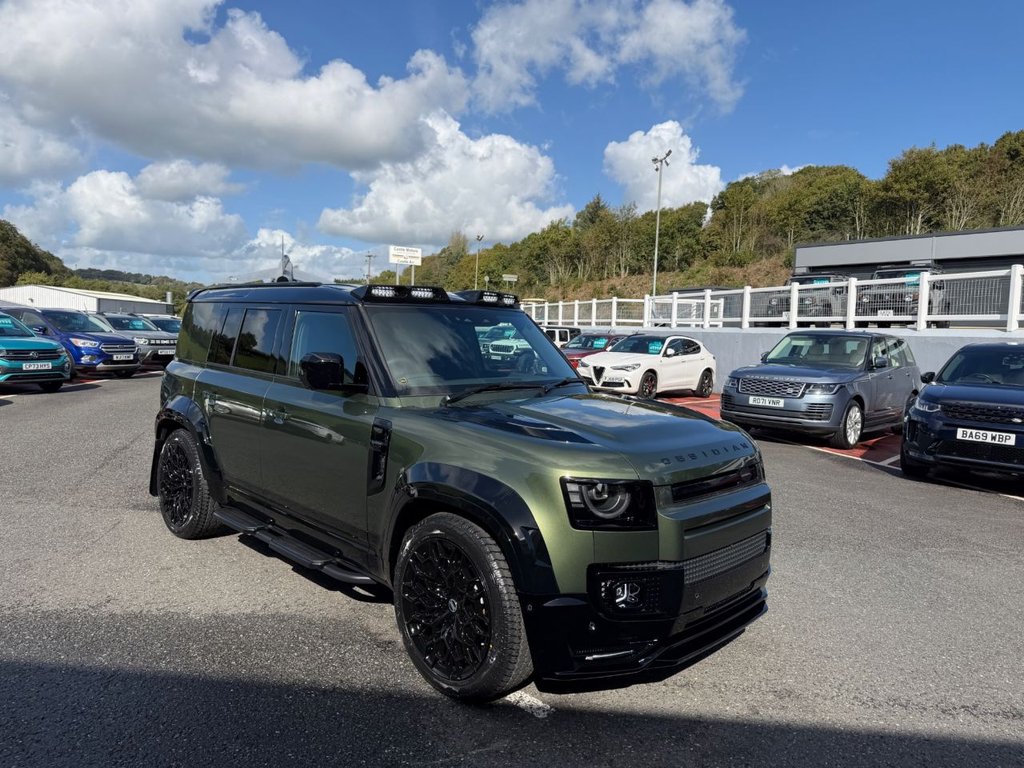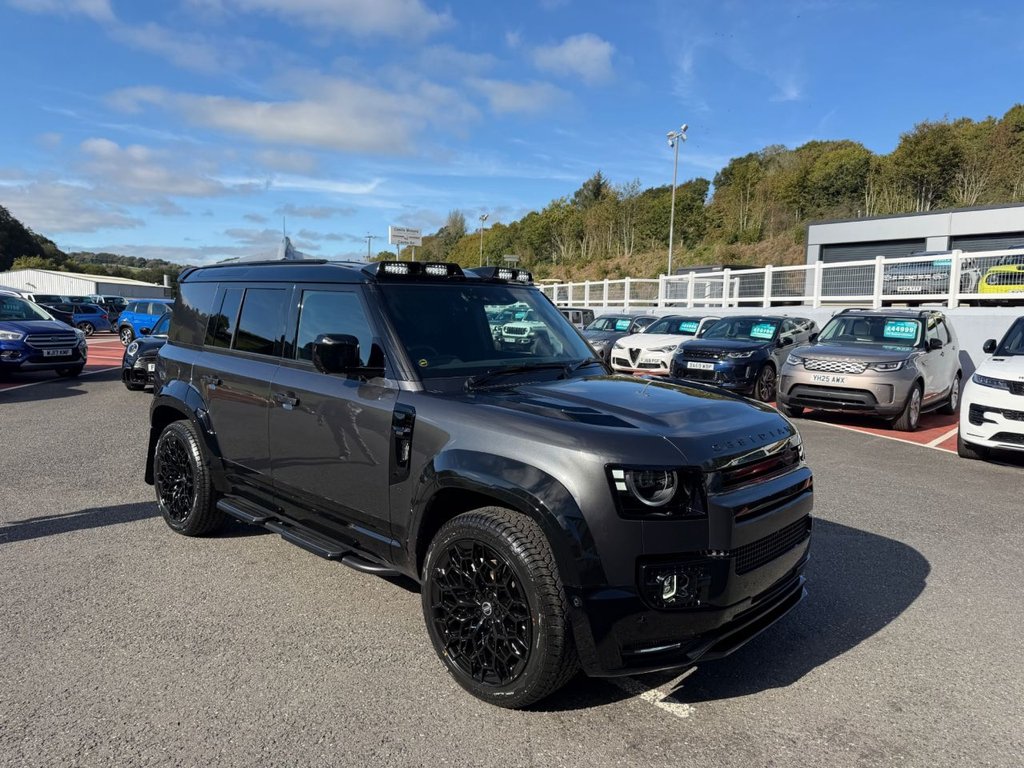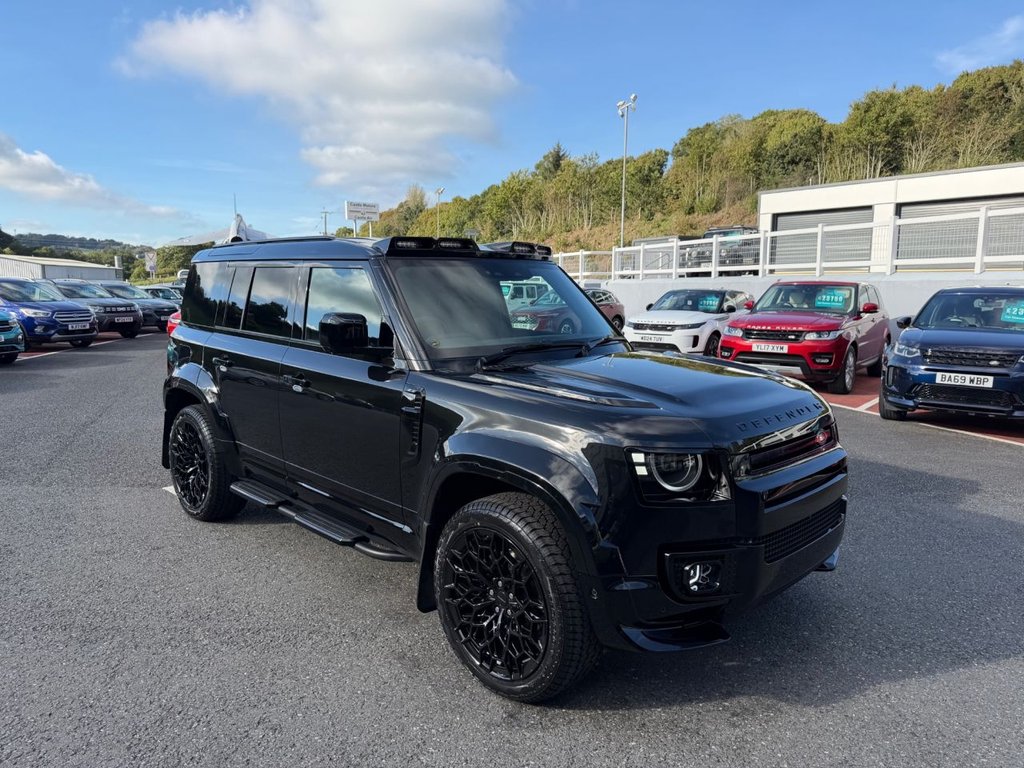
Towing with a Defender: weights, tow pack and technique
The Defender is one of the best towing vehicles on sale. Getting the most from it comes down to a few specifics.
Why it tows well
Weight, wheelbase and torque. A heavy vehicle with a long wheelbase is inherently more stable behind a trailer than a light short one, and the D250‘s flat torque curve means it does not have to work hard to maintain speed on a gradient.
The eight-speed automatic helps too: it holds gears sensibly under load rather than hunting.
Check the tow pack is fitted
This is the single most common oversight. The tow pack is an option, not standard equipment, and retrofitting it properly is expensive. It typically brings the electrics, the hitch provision and — importantly — trailer stability assistance.
Confirm it is on the specification of any vehicle you are considering. Do not assume.
Know your weights
- Gross train weight — the maximum for vehicle plus trailer combined. Exceeding it is both illegal and unsafe.
- Noseweight — the download on the towball. Too little causes instability; too much overloads the rear axle.
- Payload — on a commercial you may be carrying a load in the bay as well as towing. Both count.
A commercial Hard Top‘s payload figure differs from the passenger version’s. Check the actual plate on the actual vehicle.
Licence
Rules on towing entitlement depend on when you passed your test. If you are unsure, check your licence categories before you buy a trailer, not after.
Air suspension
Where fitted — some converter packages include it — air suspension helps considerably with towing, because it maintains ride height under noseweight rather than letting the rear squat. Worth having if you tow often.
Practical technique
- Load the trailer with roughly 60% of weight ahead of the axle
- Check noseweight with a gauge rather than by feel
- Leave far more braking distance than feels necessary
- Use the mirrors you need — extension mirrors are a legal requirement if the trailer is wider than the vehicle