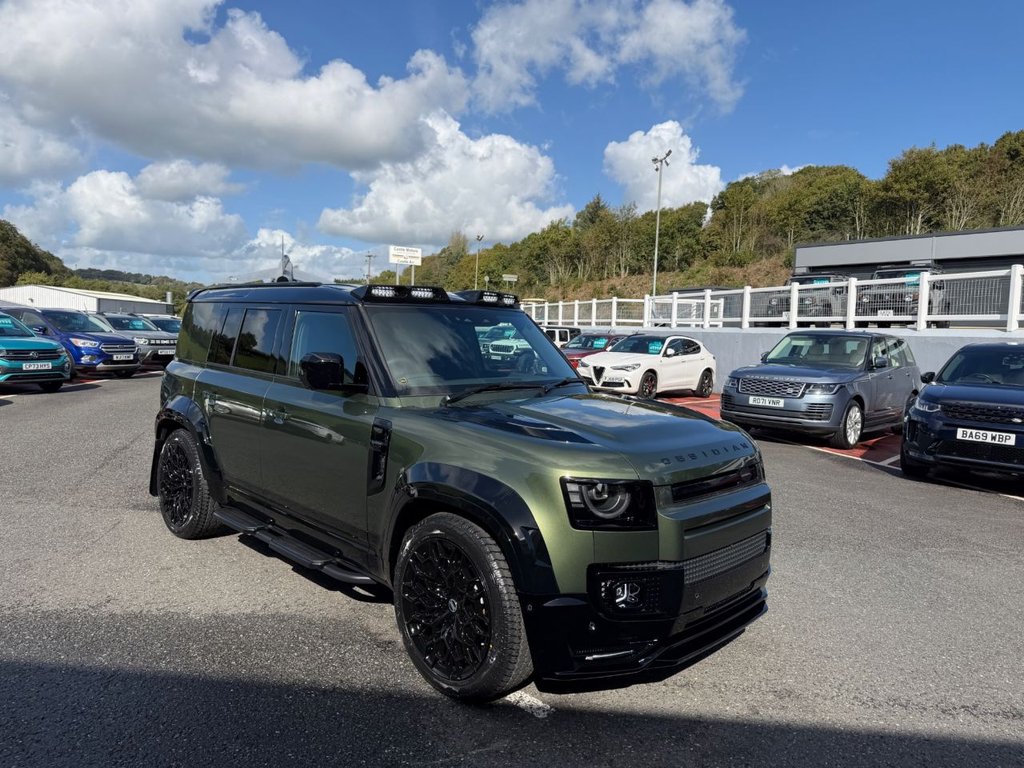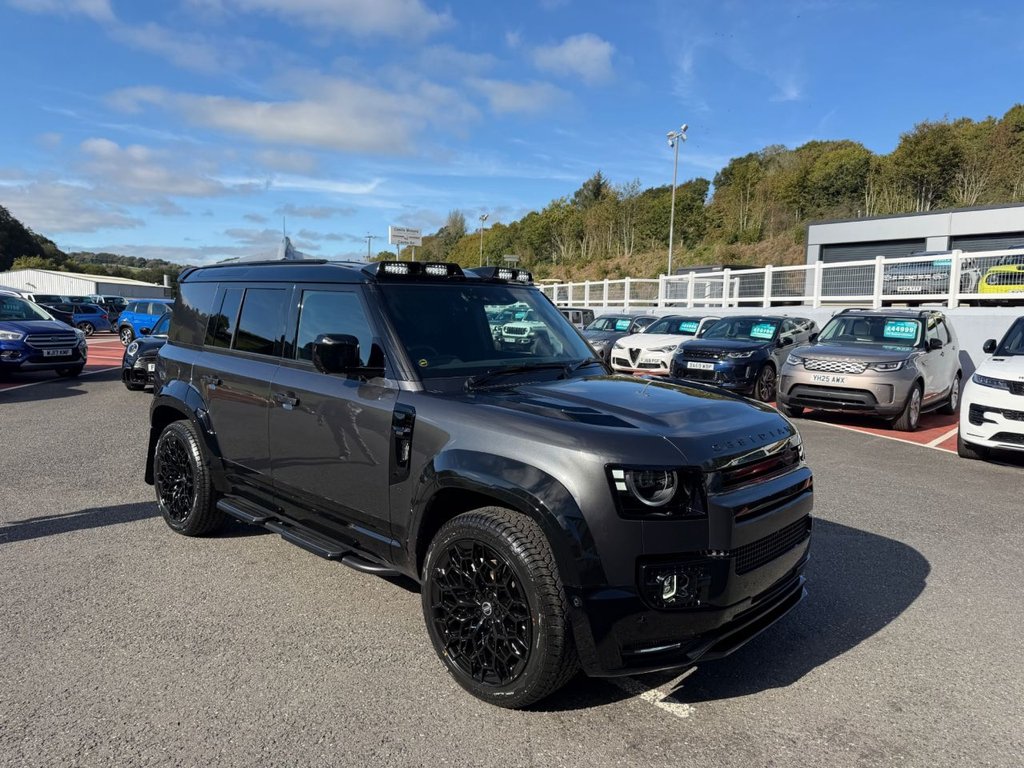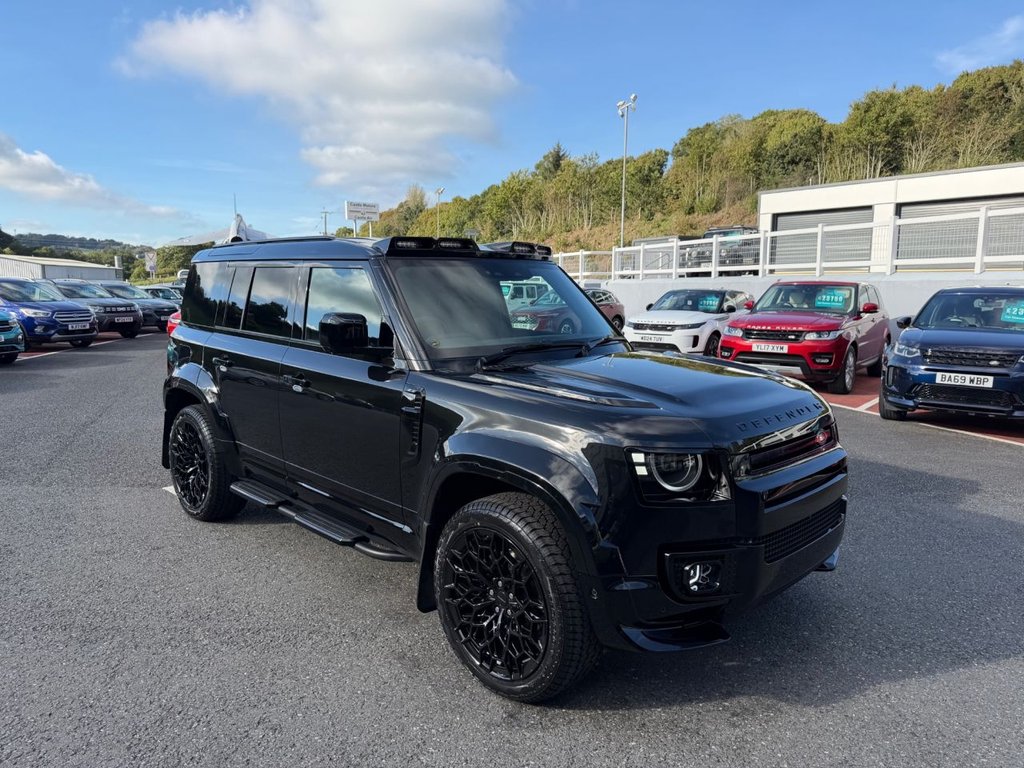
New Defender vs classic Defender
They share a name and very little else. Choosing between them is really a choice about what you want from ownership.
Two different vehicles
The classic Defender, built until 2016, is a ladder-frame utility vehicle with live axles, minimal refinement and enormous character. The current L663 is a monocoque with independent suspension, air springs on many specifications, and the refinement of a modern premium SUV.
The new one is not a diluted version of the old one. It is a different vehicle that inherited the name.
What the classic still does better
- Simplicity. You can fix a lot of it yourself, and parts are everywhere.
- Modification. An enormous aftermarket, and a chassis that tolerates being altered.
- Appreciation. Good ones have risen in value, which the new car will not do.
- Character. Entirely subjective, entirely real.
What the new one does better
- Everything to do with using it daily. It is quiet, warm, safe and comfortable.
- Off-road capability — genuinely more capable than the classic, despite what folklore suggests.
- Towing — vastly more composed.
- Reliability — not close.
The commercial angle
This is where the new car separates decisively for business buyers. The Hard Top‘s N1 classification brings VAT recovery, flat-rate BIK and flat VED. A classic Defender bought privately offers none of that.
If the vehicle is a business purchase, the new commercial is not competing with the classic — it is in a different category.
Who should buy which
If you want a vehicle to work, tow, and cover distance without thinking about it, buy the new one. If you want a project, a weekend vehicle, or the specific experience only the classic delivers, buy the classic and budget for the relationship.
Buying a classic expecting new-car usability is the mistake that ends with a For Sale advert six months later.