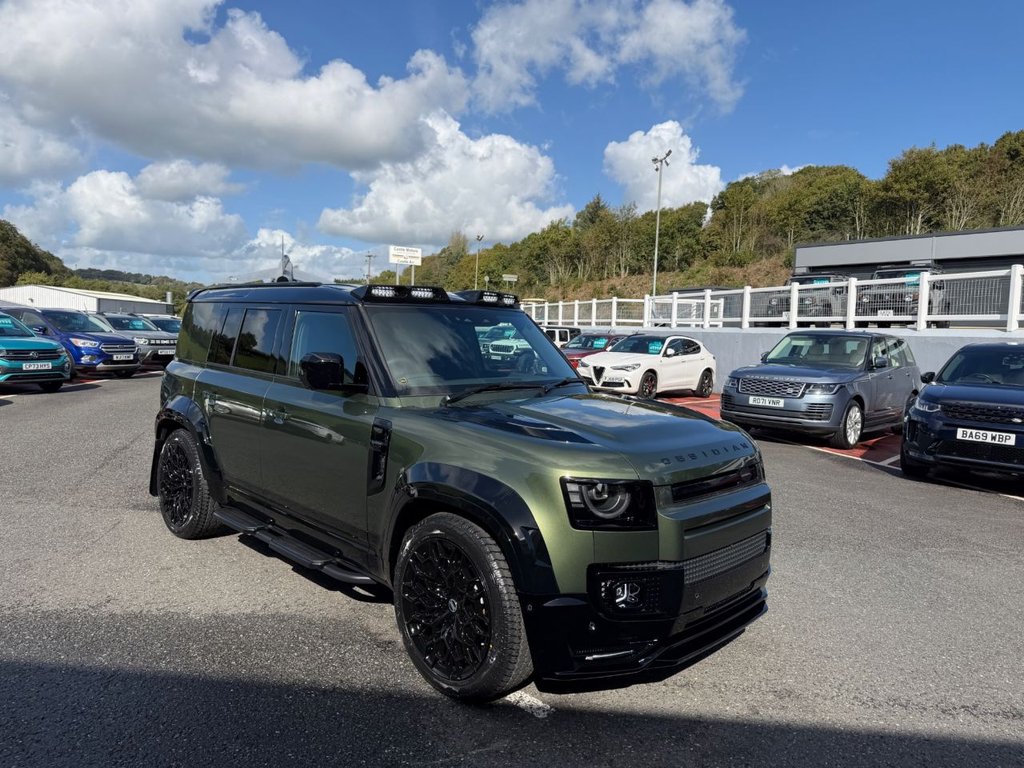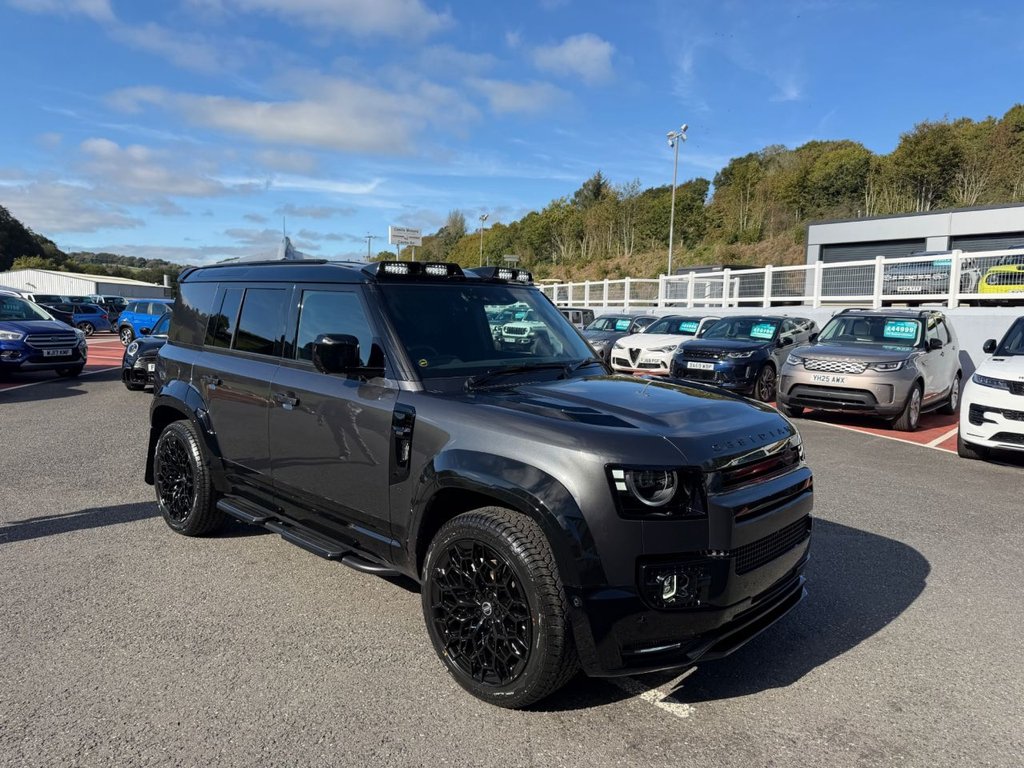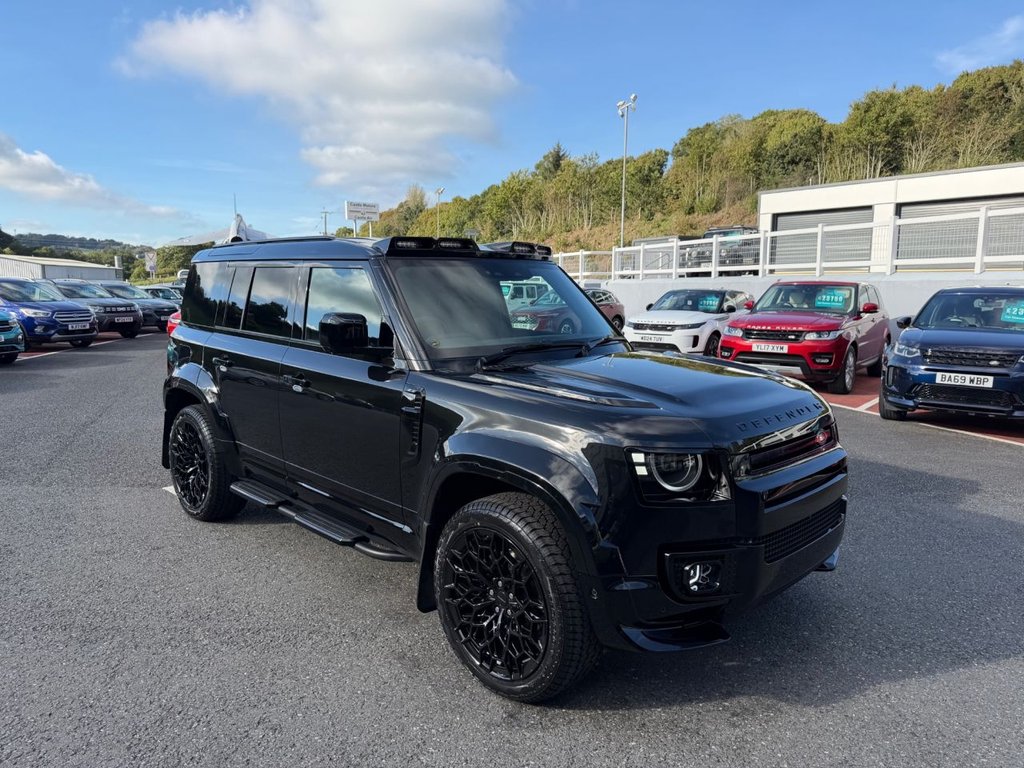
Defender Hard Top buyer’s guide: what to check, in order
Everything that separates a good commercial Defender purchase from an expensive mistake, in the order it matters.
1. Decide the VAT question first
If you are VAT-registered and the vehicle is genuinely for business use, the Hard Top‘s N1 classification lets you recover the VAT. That single fact is worth more than any option on the car.
But it depends on the vehicle having no rear seats whatsoever. A jump seat kills it. Settle this before you look at colours.
2. Then decide 90 or 110
Measure the longest thing you carry regularly. If it does not fit the 90‘s bay, the decision is made for you. If it does, the 90 is the easier vehicle to live with on narrow roads.
3. Engine: D250 unless you have a reason
The 3.0 straight-six diesel suits the job. Step up to D300 or D350 only if you tow near the limit routinely. Petrol is hard to justify commercially.
4. Check the conversion paperwork
Most attractive commercial Defenders have been through a converter — wide-track arches, wheels, sometimes air suspension. Ask for a written specification of what was done and by whom. You need it for insurance and you will want it at resale.
5. Check the tow pack
It is an option, not standard, and retrofitting is expensive. If you tow, confirm it is fitted before you commit.
6. Understand the price you are reading
Commercial Defenders are advertised + VAT. A £65,000 car is £78,000 to anyone who cannot reclaim. Compare consistently.
7. Think about how you will actually use it
If it will do short, cold, local journeys almost exclusively, a modern diesel with a particulate filter is not an ideal match. That is worth confronting before purchase rather than after the third regeneration warning.
The mistake we see most
Buying the commercial for the tax treatment when the vehicle will mostly be used privately. Stripped of the VAT recovery and the flat BIK, a Hard Top is simply a Defender with no rear seats and no rear windows — a worse car than the standard version, for more money.