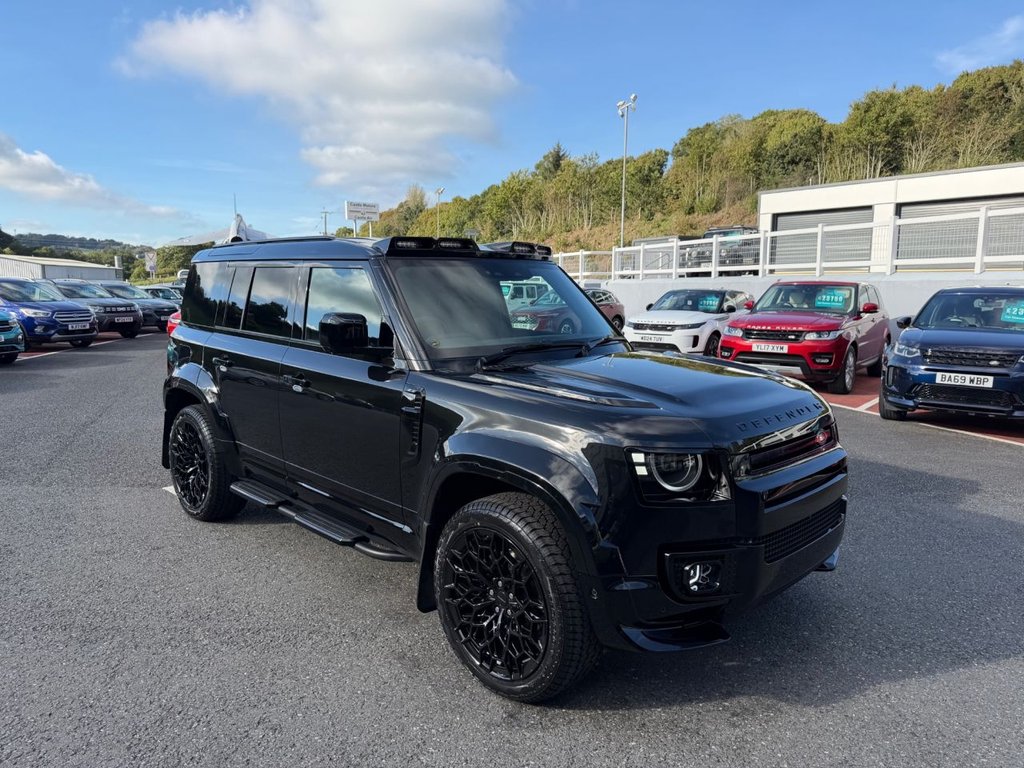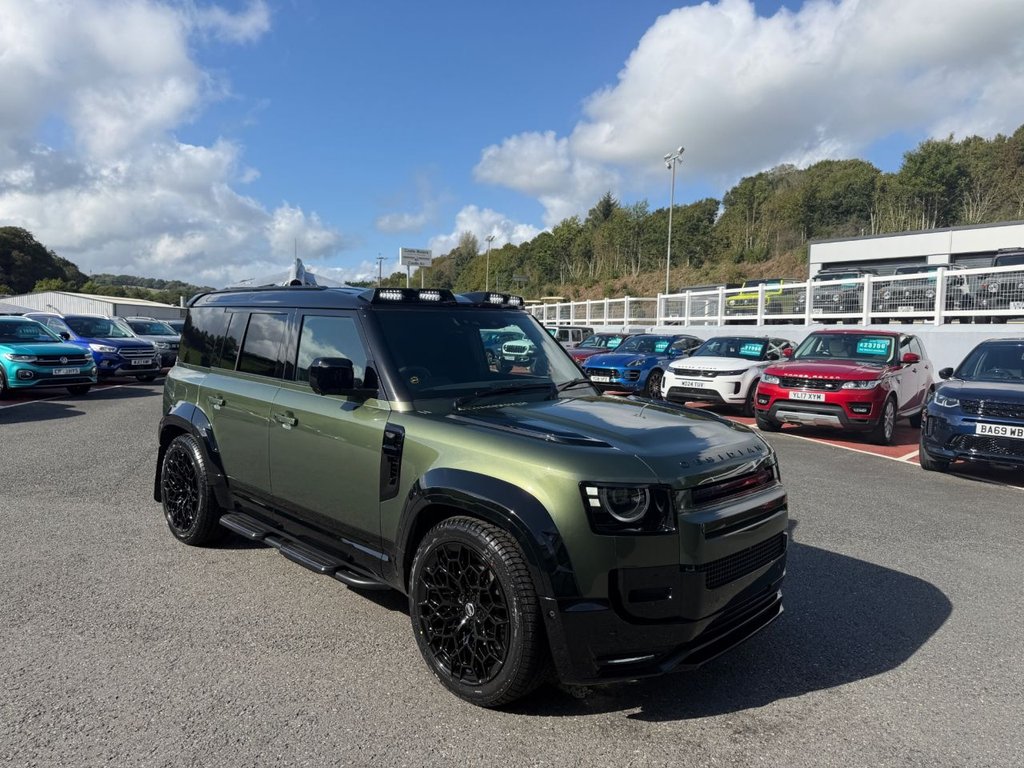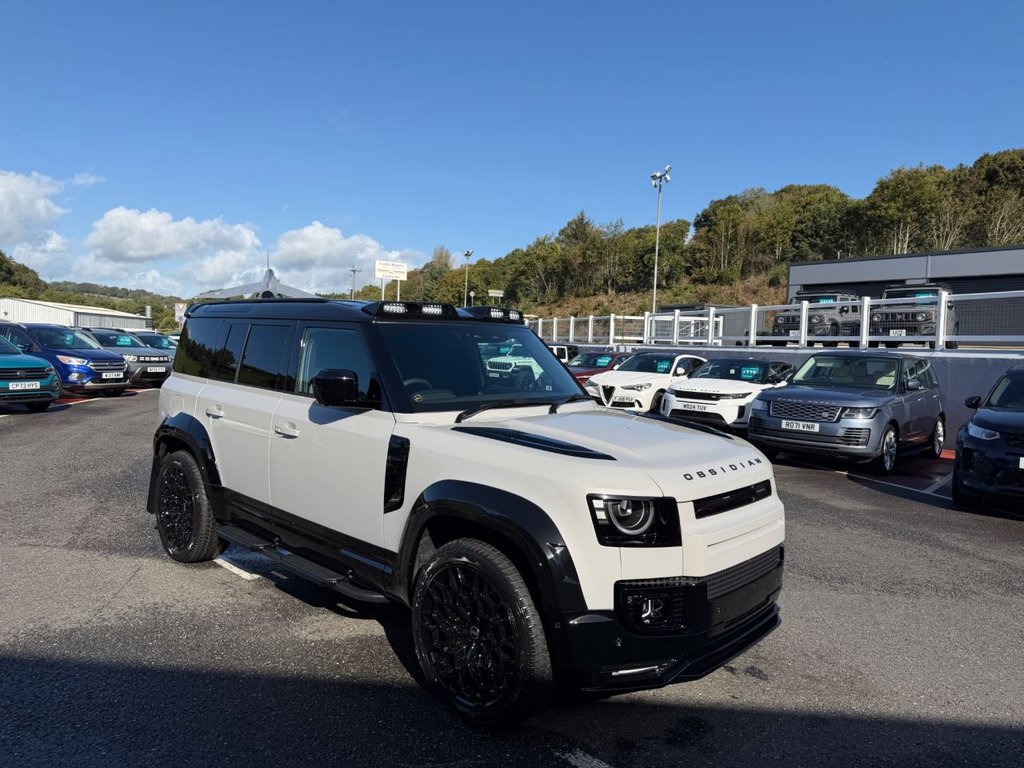
Defender D250 vs D300 vs D350
Three outputs from the same 3.0 straight-six. Which one you need is a narrower question than the price difference suggests.
The same engine
D250, D300 and D350 are the same 3.0-litre inline-six diesel with mild-hybrid assistance, tuned differently. The number is roughly the power output in PS.
Because they share architecture, they share character: smooth, torquey low down, unhurried. The differences are in how hard you can lean on them.
D250 — the default, and usually right
Ample for a commercial Defender in normal use, including moderate towing. It is the output almost every Hard Top is specified with, and the one our stock carries.
It does not feel slow. A Defender is not a vehicle you hurry, and the D250 delivers its torque exactly where the vehicle uses it.
D300 — worth it if you tow near the limit
Meaningfully stronger under sustained load. If you regularly tow at or near gross train weight, particularly on gradients, the extra reserve is genuine and reduces how hard the drivetrain works.
For everything else it is a nice-to-have.
D350 — specialised
The strongest of the three. Justifiable for heavy, frequent towing, or where the vehicle is loaded to capacity as a matter of routine. Otherwise you are paying for headroom you will not use, and consuming slightly more fuel to carry it around.
Running costs
Real-world consumption differences between the three are smaller than you would expect, because the bigger engines work less hard for the same task. The purchase price gap is the dominant cost, not the fuel.
Availability
In the commercial Hard Top market the D250 dominates by a wide margin. Holding out for a D300 or D350 Hard Top with the conversion and colour you want will take considerably longer, and you may pay a premium for the scarcity rather than the performance.
Our recommendation
Buy the D250 unless you can point at a specific, regular towing task that needs more. Most buyers who specify up do so on the assumption they will need it, and most never find out either way.