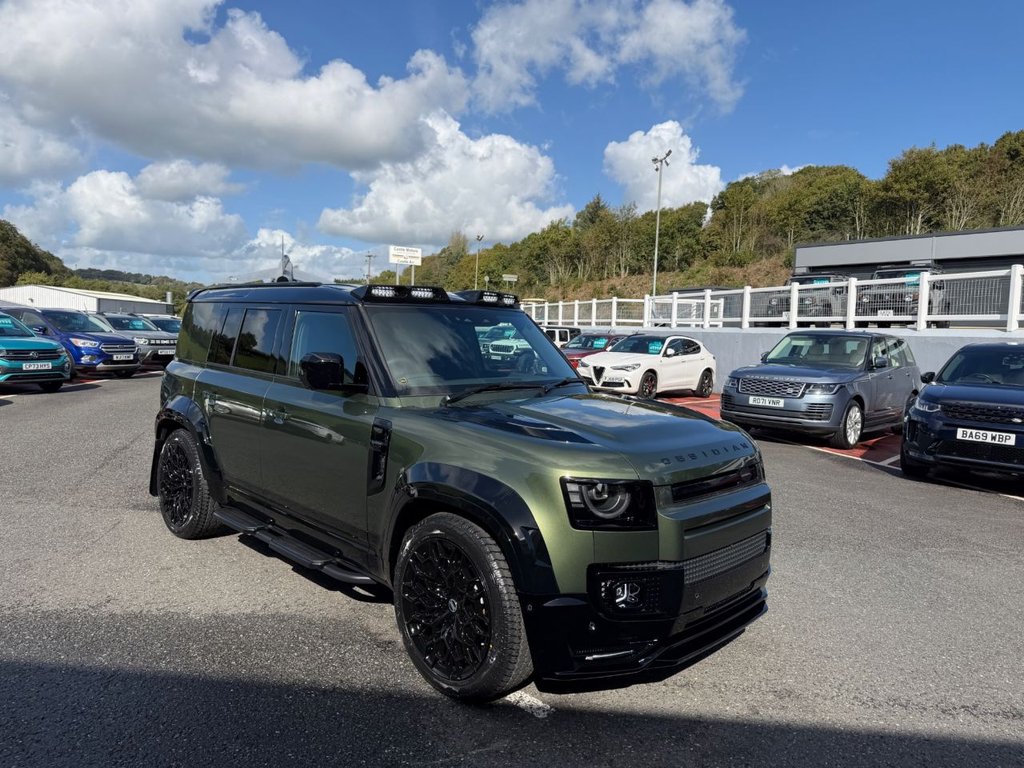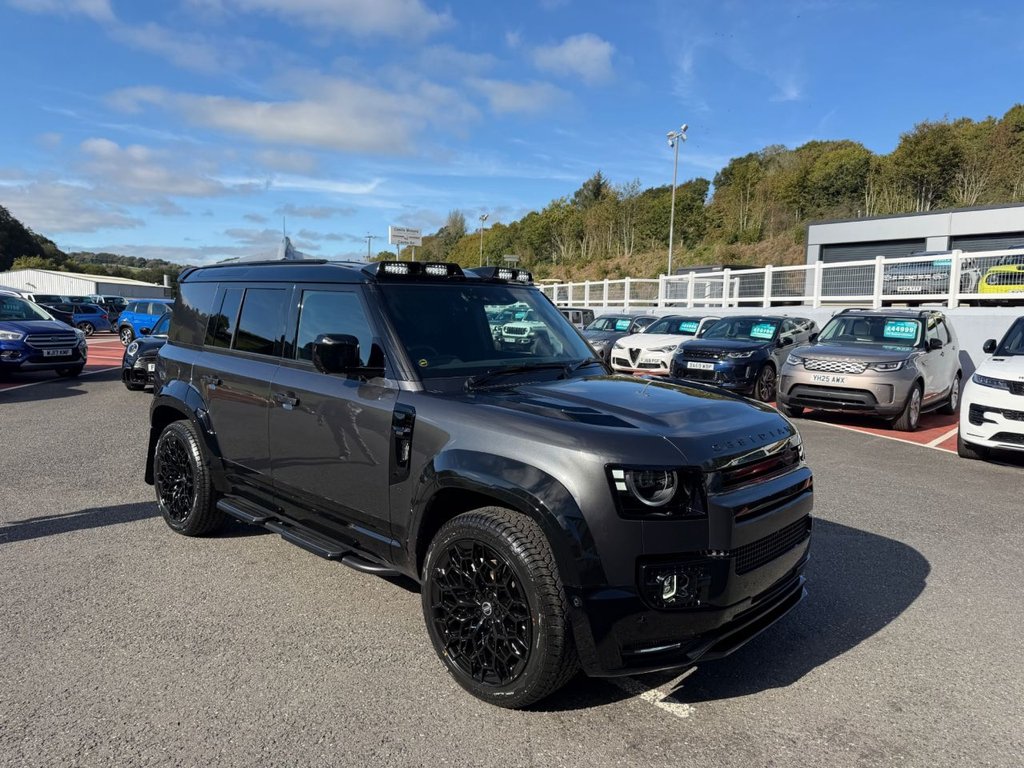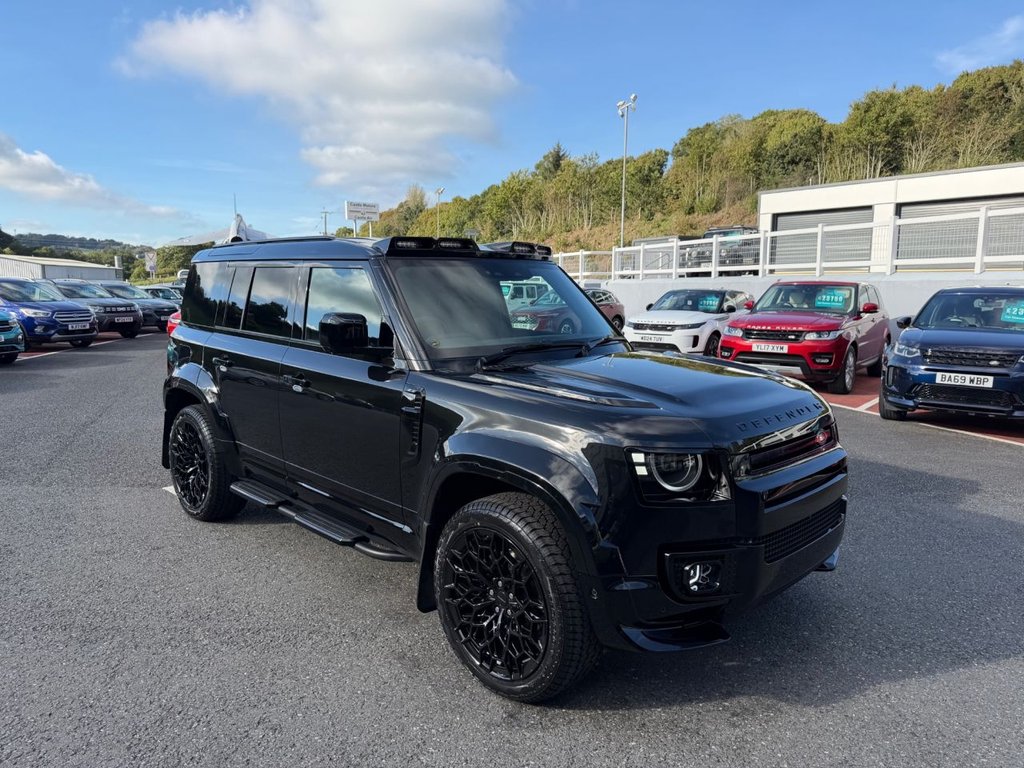
Defender 90 or 110 for work?
For a working commercial Defender the wheelbase choice is not about looks. It is about what fits.
Start with a tape measure
Genuinely. The 110 Hard Top‘s load bay is meaningfully longer than the 90’s, and length is the constraint that bites — not volume, not payload. Measure the longest item you carry weekly.
If it fits in the 90, everything else is preference. If it does not, the decision is made.
Where the 90 wins for work
- Tight sites. Yards, farm buildings, woodland tracks — the 90 places more easily.
- Narrow lanes. In the south west specifically, this is a daily benefit rather than an occasional one.
- Purchase cost. Lower, and the gap is real money.
Where the 110 wins for work
- Load length, which is usually the deciding factor
- Ride quality over a long day on broken surfaces
- Stability when towing
- Resale — working buyers want the space, so demand is deep
The jump seat question
If you need to carry a third person, both can be specified with a jump seat — and both then lose VAT-qualifying status. If crew capacity is a regular requirement rather than an occasional one, look at a standard Defender or a different vehicle type entirely, because a commercial with a jump seat is the worst of both positions.
Payload
Check the plate on the specific vehicle. Conversions add weight — wide-track kits, wheels, air suspension all count — and a heavily converted vehicle has less payload than the brochure figure. If you routinely carry near the limit, ask for the actual figure for that car.
Our stock
We hold both. The 110 sells faster to working buyers; the 90 tends to go to those who want the shape and do not need the length.