New Defender: common problems and what to check
The new Defender is a far more reliable vehicle than the one it replaced. These are the things worth checking anyway.
Software and infotainment
Early cars had their share of infotainment glitches and software niggles. Most have been addressed by over-the-air updates. On any car you are considering, check it is on current software and that the screens respond properly from cold.
Air suspension, where fitted
Not standard on all specifications, and often added by converters. It works well but is a wear item on a heavy vehicle. Check the car sits level after standing overnight, and listen for the compressor working unusually hard on start-up.
Diesel particulate filter
Not a fault, but a usage mismatch worth naming. A modern diesel that does short, cold, local journeys will struggle to complete regeneration cycles. If that describes your driving, the D250 is the wrong choice regardless of how good the vehicle is.
On a used car, ask about the journey pattern it has led.
Conversion-related wear
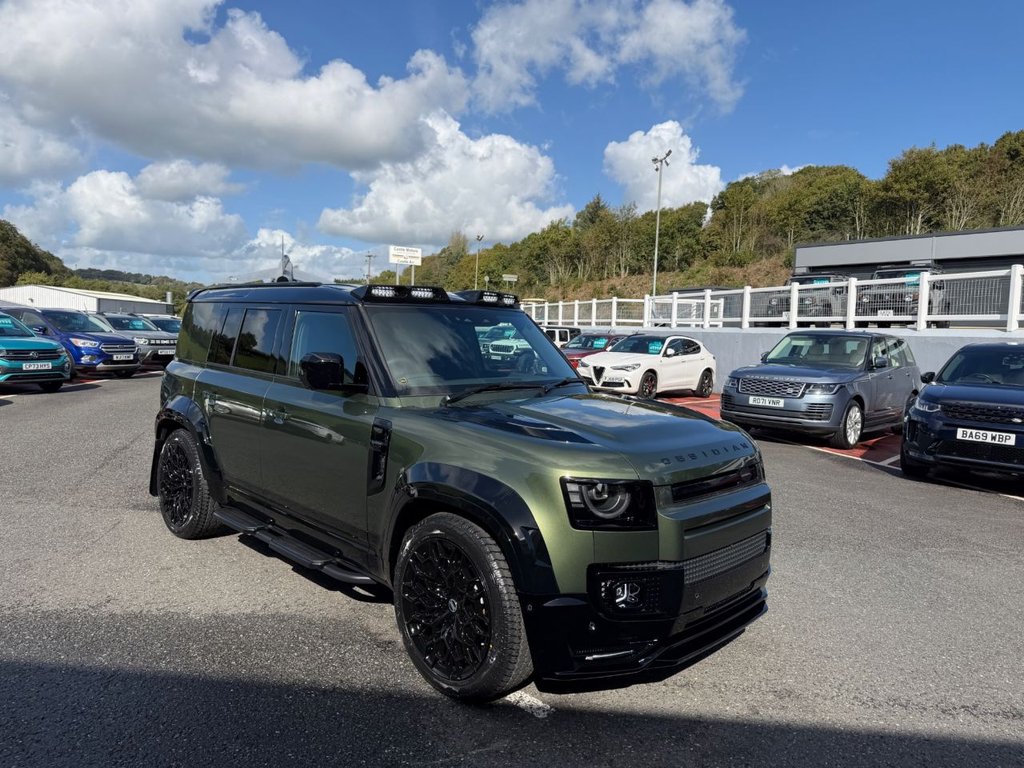
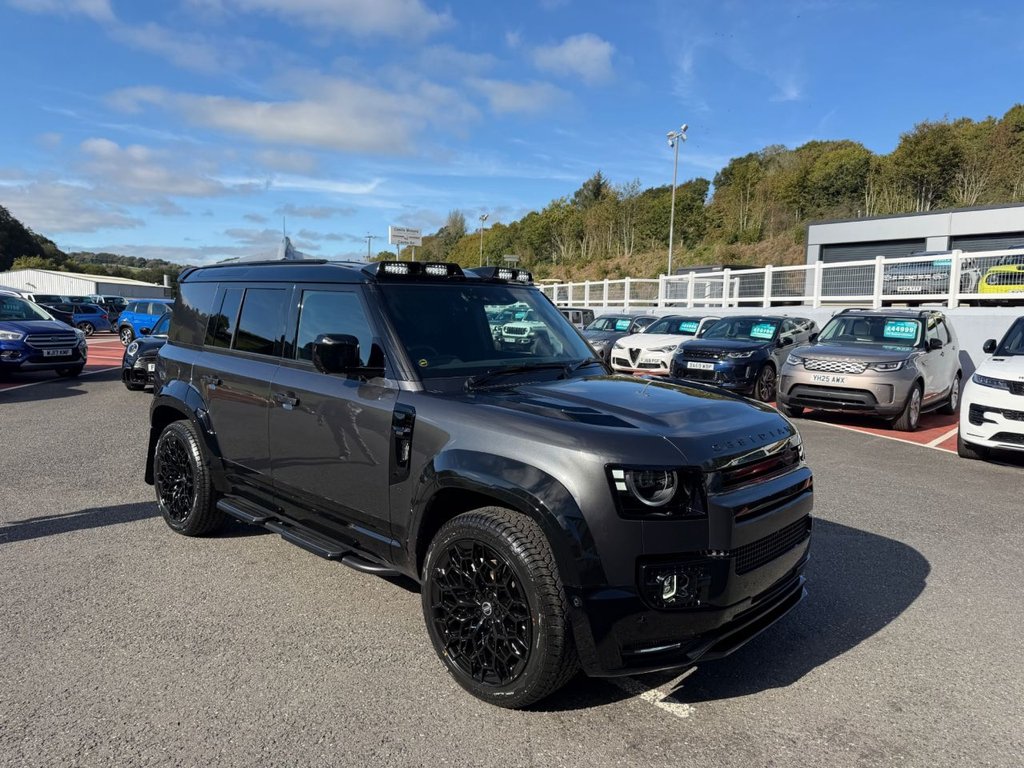
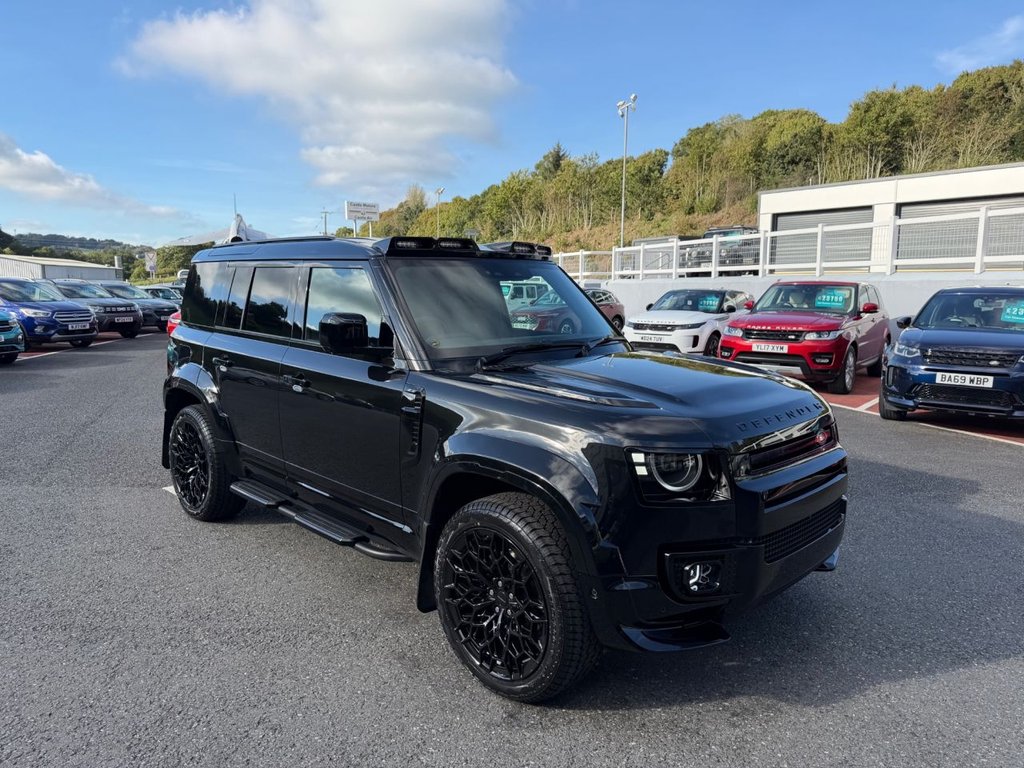
On wide-track cars, check for uneven tyre wear across the tread — outer-shoulder wear suggests the geometry was not reset after the conversion. Also check arch fixings and paint match along the panel in daylight.
Body and trim
The Defender’s exposed fixings and body cladding collect dirt and can trap moisture. Nothing structural, but worth inspecting on a working vehicle that has led a hard life.
What to ask for
- Full service history, main dealer or a qualified independent
- Software update status
- Written specification of any conversion work and who did it
- Whether the tow pack is fitted, if you need it
- Whether it is VAT qualifying, and confirmation there are no rear seats
The honest summary
These are new or nearly-new vehicles under warranty, and the failure modes are minor and well documented. The bigger risks in this market are specification mistakes — wrong wheelbase, missing tow pack, jump seat destroying the VAT position — not mechanical ones.